









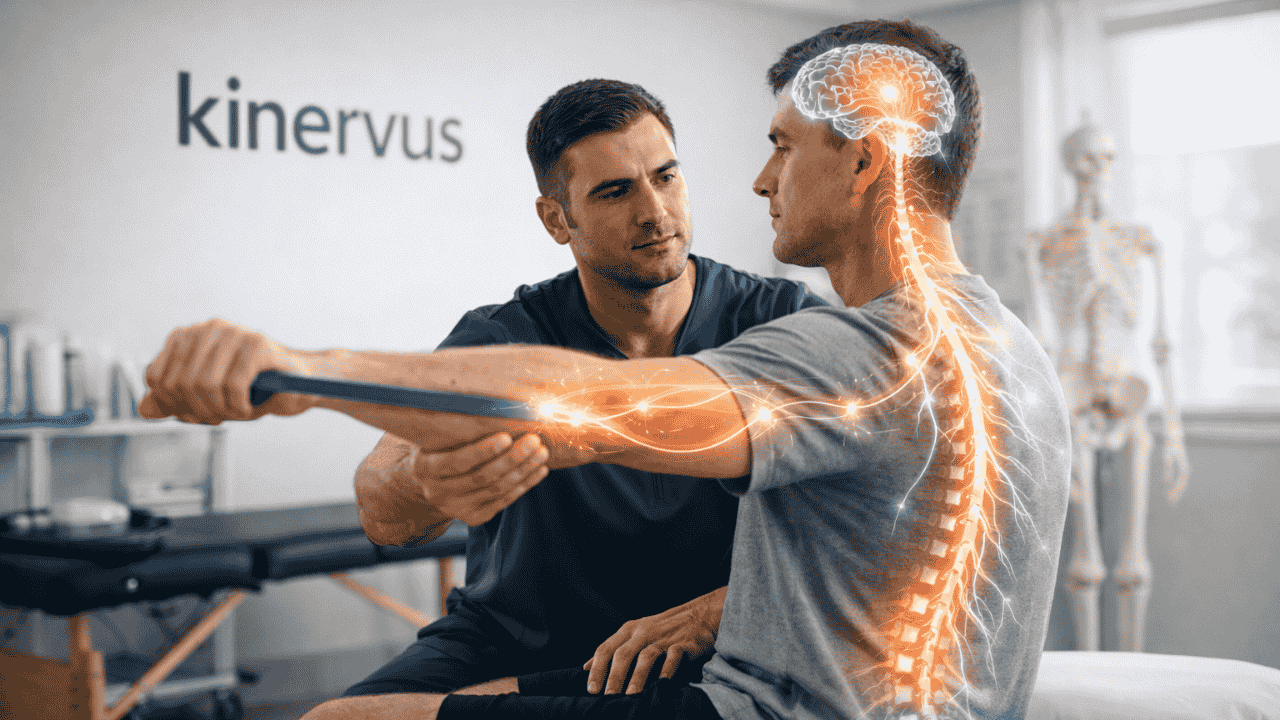
The term kinervus has started appearing across health blogs, rehabilitation discussions, and wellness platforms, leaving many people curious about what it actually means. Some see kinervus as a medical concept, while others treat it like a modern lifestyle approach connected to movement and nerve health. This mix of interpretations makes it important to break things down clearly before forming any conclusions. Understanding kinervus requires looking at its origin, its real-world use, and how it is being shaped online today.
Understanding the origin and meaning of kinervus
The word kinervus is built from two roots that give it a strong conceptual base. “Kine” refers to movement, while “nervus” relates to nerves and the nervous system. When combined, kinervus reflects the relationship between movement and the body’s neural control system. This connection is essential because every physical action depends on signals traveling between the brain and muscles.
This meaning is not just theoretical but grounded in how the human body actually functions. Movement is never isolated; it is always directed and adjusted by the nervous system. The idea behind kinervus highlights this coordination and brings attention to how important it is for overall health. That is why the term feels relevant in both medical and wellness conversations.
Kinervus as a real-world physiotherapy approach
Kinervus is also the name of a physiotherapy practice based in Belgium, where it is used in a professional healthcare setting. In this context, kinervus focuses on rehabilitation methods that address both movement and neurological function. Instead of offering generic treatment plans, the approach emphasizes personalized care based on individual needs. This makes it different from standard therapy models that rely on repetitive exercises.
Patients working with kinervus-based therapy often receive targeted support for specific conditions. The goal is not just recovery but restoring proper communication between the brain and body. This approach is especially useful for people dealing with injuries or neurological challenges. It reflects a deeper understanding of how movement and nerve signals work together.
Some of the key areas where kinervus is applied include:
- neurological rehabilitation for conditions like stroke
- pediatric therapy for children with developmental delays
- manual lymphatic drainage for fluid balance
- customized physiotherapy programs for injury recovery
The growing role of kinervus in modern health discussions
In recent years, kinervus has expanded beyond clinical use and entered broader health and wellness conversations. Many online platforms now describe kinervus as a concept that promotes better awareness of how the body moves and responds. This shift has made it more accessible to people who are not directly involved in medical treatment. It also explains why the term is becoming more visible in digital spaces.
The rise of sedentary lifestyles has contributed to this trend. Long hours spent sitting, poor posture, and excessive screen time are creating new types of physical strain. Kinervus is often presented as a response to these problems, encouraging people to pay attention to their body’s signals. This makes it relevant not just for recovery but also for prevention.
How kinervus connects movement and the nervous system
At its core, kinervus is about improving the communication between the brain and the body. Every movement starts with a signal from the brain, which travels through the nervous system to reach the muscles. If this process is disrupted, it can lead to pain, weakness, or limited mobility. Kinervus-based thinking focuses on restoring and strengthening this connection.
This approach often involves retraining the body through controlled exercises and guided movements. The goal is to help the brain relearn how to send accurate signals. Over time, this can improve coordination and reduce discomfort. It also supports long-term recovery rather than short-term fixes.
Some common techniques associated with kinervus include:
- movement retraining exercises
- balance and coordination drills
- manual therapy to support nerve function
- gradual strength building with neural focus
Kinervus and the concept of neuroplasticity
One of the strongest ideas linked to kinervus is neuroplasticity, which refers to the brain’s ability to adapt and reorganize itself. This concept plays a major role in rehabilitation because it shows that recovery is possible even after serious injuries. Kinervus aligns with this idea by focusing on repeated, purposeful movement to encourage brain adaptation. It turns recovery into an active process rather than a passive one.
Neuroplasticity explains why consistent practice leads to improvement over time. When the body repeats certain movements, the brain strengthens those pathways. Kinervus uses this principle to design therapies that are both structured and adaptable. This makes it effective for people with different levels of physical ability.
Everyday problems kinervus aims to address
Kinervus is not limited to complex medical cases; it also relates to everyday physical issues that many people experience. Modern routines often create tension and imbalance in the body, which can affect nerve function. By focusing on movement and awareness, kinervus offers a practical way to manage these problems. It encourages small changes that can have a lasting impact.
People dealing with the following issues may benefit from kinervus-based approaches:
- chronic back or neck pain
- poor posture from desk work
- reduced mobility due to inactivity
- repetitive strain injuries
These problems may seem minor at first but can develop into serious conditions over time. Kinervus provides a framework for addressing them early and effectively.
The difference between kinervus as a concept and a buzzword
Not every use of kinervus carries the same level of meaning. While it has a clear foundation in physiotherapy and neuroscience, it is also being used loosely in some online content. In these cases, kinervus may be presented as a trend without much depth or evidence. This creates confusion for readers trying to understand its true value.
It is important to separate the practical aspects of kinervus from the exaggerated claims. The real strength of kinervus lies in its focus on movement and nerve function, not in any quick-fix promise. When used correctly, it supports long-term health and recovery. When misused, it becomes just another vague wellness term.
Why kinervus is becoming more relevant today
The growing interest in kinervus reflects a shift in how people think about health. There is more awareness now about the importance of prevention and body awareness. Instead of waiting for serious problems to appear, many are looking for ways to maintain their physical condition. Kinervus fits into this mindset by emphasizing early action and consistent care.
Technology also plays a role in this change. Fitness trackers and health apps are making people more conscious of their movement patterns. This awareness naturally connects with the ideas behind kinervus. It encourages individuals to take control of their physical well-being in a more informed way.
Practical benefits of applying kinervus principles
Applying kinervus principles can lead to noticeable improvements in daily life. These benefits are not limited to athletes or patients in recovery. Anyone can experience positive changes by focusing on movement and nerve health. The key is consistency and attention to detail.
Some of the practical benefits include:
- improved coordination and balance
- reduced pain and muscle tension
- better posture and alignment
- increased body awareness
These outcomes build over time and contribute to overall well-being. Kinervus is not about quick results but about steady progress.
Conclusion
Kinervus is a term that brings together movement and the nervous system in a meaningful way. It exists as both a real physiotherapy approach and a broader concept that is gaining attention online. While some interpretations may stretch its meaning, the core idea remains grounded in how the body actually works. By focusing on the connection between brain signals and physical movement, kinervus offers a practical approach to both recovery and prevention.
Understanding kinervus helps cut through the confusion and highlights what truly matters. It is not a shortcut or a trend to follow blindly. Instead, it is a reminder that movement and nerve health are deeply connected and worth paying attention to. When applied correctly, kinervus can support better physical function and long-term health.
FAQs
- What does kinervus mean
Kinervus combines movement and nerve function, referring to how the brain and body work together to control physical activity. - Is kinervus a medical treatment
Kinervus is not a single treatment but an approach used in physiotherapy that focuses on movement and neurological coordination. - Who can benefit from kinervus
Anyone experiencing movement issues, nerve-related problems, or even posture-related discomfort can benefit from kinervus principles. - Is kinervus scientifically proven
The ideas behind kinervus are based on established concepts like neuroplasticity and rehabilitation science, though the term itself is not standardized. - Why is kinervus becoming popular
Kinervus is gaining attention because of increasing awareness about nerve health, posture problems, and the need for preventive care in modern lifestyles.




One thought on “Kinervus: meaning, applications, and why it is gaining attention in modern health and wellness”