









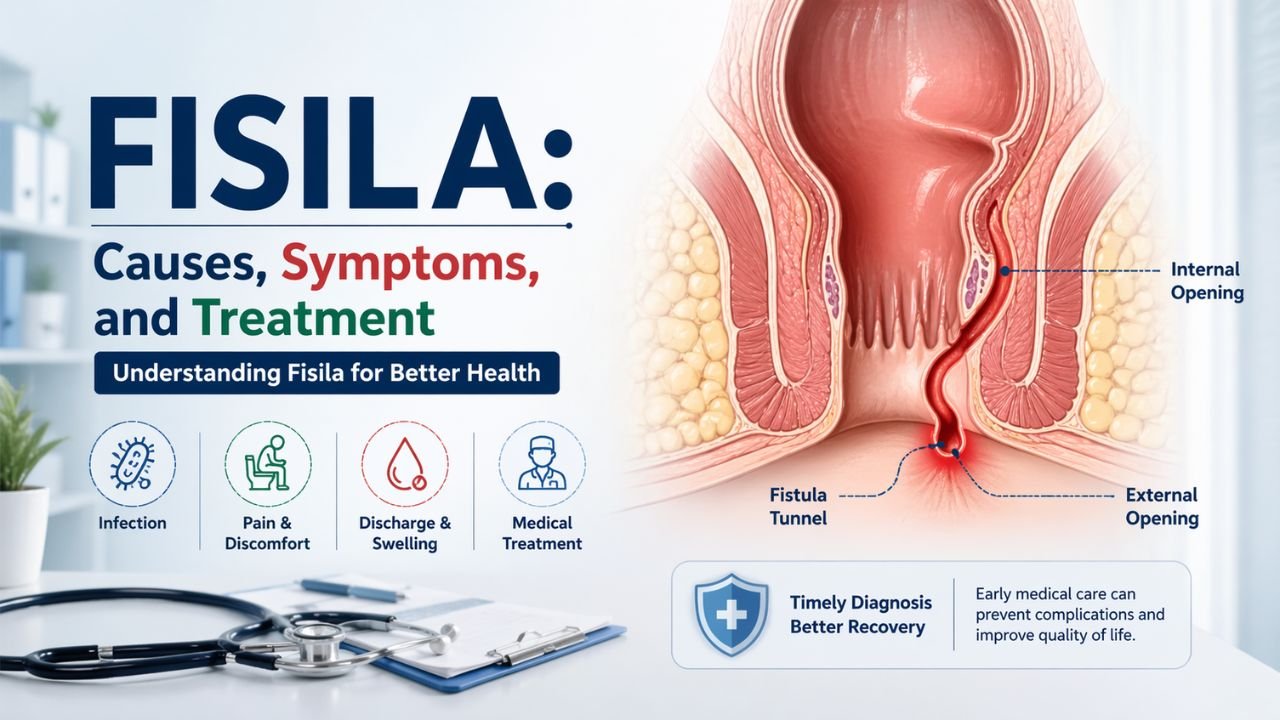
Fisila is a term many people search for when they are trying to understand a painful and often confusing medical condition. In most cases, fisila refers to what doctors call a fistula, which is an abnormal connection between two parts of the body. This condition can affect daily life, especially when it causes discomfort, discharge, or repeated infections. People often ignore early signs of fisila, thinking it is a minor issue, but it can become more serious over time. Understanding fisila properly helps in early diagnosis and better treatment outcomes.
what fisila actually means and how it develops
Fisila develops when an abnormal tunnel forms between two internal body parts or between an organ and the skin. This usually happens after an infection or injury that does not heal properly. When pus collects in one area and finds a path to drain, it can create a passage that becomes permanent if untreated. Over time, this tunnel allows fluids to move in the wrong direction, leading to ongoing irritation and infection. Many people do not realize that fisila often starts from something as small as a neglected abscess.
common causes behind fisila formation
Fisila does not appear suddenly without reason, and in most cases, there is a clear underlying cause. The most common cause is infection that leads to the formation of an abscess. When this abscess bursts or drains, it can leave behind a channel that turns into fisila. In other situations, chronic diseases or surgical complications can also play a role.
Some of the main causes include:
- untreated infections that spread deeper into tissues
- abscess formation near the anal or intestinal area
- complications after surgery or injury
- chronic inflammatory conditions affecting the digestive system
- poor hygiene or delayed medical attention
These causes highlight why early care is important, as ignoring small symptoms can lead to long-term problems like fisila.
different types of fisila and how they vary
Fisila can occur in different parts of the body, and each type has its own symptoms and complications. The most common type is anal fisila, which forms near the anus and causes pain and discharge. There are also internal types that connect organs like the intestines or bladder, which can be harder to detect. Some types are more serious because they affect vital organs and require complex treatment.
The main types include:
- anal fisila, which is the most frequently seen form
- intestinal fisila, affecting connections within the digestive system
- urinary fisila, linking the bladder to other organs
- vaginal fisila, creating abnormal openings involving reproductive organs
Each type of fisila needs proper medical evaluation because treatment methods vary depending on its location and severity.
symptoms that indicate you may have fisila
Fisila often shows clear warning signs, but many people feel uncomfortable discussing them and delay seeking help. Pain is usually the first symptom, especially when sitting or during bowel movements. Swelling and redness around the affected area can also appear, making daily activities difficult. In some cases, fluid or pus may continuously drain, which is a strong indicator of fisila.
Other common symptoms include:
- persistent discomfort or throbbing pain
- discharge with an unpleasant smell
- skin irritation around the affected area
- occasional fever due to infection
- recurring swelling that comes and goes
Recognizing these symptoms early can prevent complications and reduce the need for major treatment later.
why fisila should not be ignored
Ignoring fisila can lead to serious health issues over time. Unlike minor infections, fisila does not usually heal on its own and tends to become chronic. The longer it remains untreated, the more complex the tunnel can become, making surgery more difficult. Recurrent infections can also weaken surrounding tissues and cause additional problems.
People often try home remedies or delay medical care due to embarrassment, but this approach usually makes the condition worse. Seeking timely treatment is the only effective way to manage fisila and prevent further damage.
diagnosis process and medical evaluation
Doctors diagnose fisila through physical examination and, in some cases, imaging tests. A simple check of the affected area can often reveal external openings or signs of infection. For deeper or complex cases, scans may be required to understand the full extent of the tunnel. Proper diagnosis helps in deciding the right treatment approach.
Medical evaluation may include:
- physical inspection of the affected area
- imaging techniques to trace internal connections
- checking for underlying infections or diseases
Accurate diagnosis is essential because incomplete treatment can cause fisila to return.
treatment options available for fisila
Treatment of fisila depends on its type, size, and severity. In most cases, surgery is the main solution because the abnormal tunnel needs to be removed or closed. Medications may be used to control infection, but they usually do not cure the condition completely. Early-stage fisila may be easier to treat, while advanced cases require more complex procedures.
Common treatment methods include:
- surgical removal or repair of the tunnel
- drainage of infection before surgery
- use of medications to control inflammation
- long-term care for patients with chronic conditions
Choosing the right treatment depends on professional medical advice, and self-treatment should be avoided.
recovery and lifestyle changes after treatment
Recovery from fisila treatment varies from person to person. Some patients heal quickly, while others need more time depending on the complexity of the condition. Proper hygiene and care after treatment are essential to prevent recurrence. Doctors often recommend changes in diet and daily habits to support healing.
Important recovery tips include:
- maintaining cleanliness in the affected area
- following prescribed medications carefully
- avoiding activities that strain the body
- eating a balanced diet to support healing
Making these adjustments can significantly improve recovery and reduce the chances of fisila returning.
how to reduce the risk of developing fisila
While not all cases can be prevented, certain steps can lower the risk of developing fisila. Maintaining good hygiene and treating infections early are key factors. Paying attention to any unusual symptoms and seeking medical advice can stop minor issues from becoming serious. A healthy lifestyle also plays a role in preventing complications.
Simple preventive steps include:
- keeping the body clean and dry
- addressing infections immediately
- avoiding prolonged sitting in unhealthy conditions
- maintaining a strong immune system through diet and exercise
Prevention is always easier than treatment, especially when it comes to conditions like fisila.
conclusion
Fisila is a condition that many people misunderstand or ignore until it becomes severe. It often begins with a small infection but can turn into a long-term health issue if not treated properly. Recognizing symptoms early and seeking medical care can make a significant difference in recovery. Treatment usually requires professional intervention, and delaying it only increases complications. By understanding fisila, its causes, and available treatments, individuals can take better control of their health and avoid unnecessary suffering.
faqs
- what is fisila in simple terms
Fisila is an abnormal connection or tunnel between two parts of the body, often caused by infection or injury. - can fisila heal without surgery
In most cases, fisila does not heal on its own and requires medical treatment, often involving surgery. - is fisila a dangerous condition
Fisila can become serious if ignored, as it may lead to repeated infections and complications. - what are the early signs of fisila
Early signs include pain, swelling, and discharge near the affected area, along with discomfort during daily activities. - how long does fisila treatment take
Treatment time depends on the severity, but recovery can take a few weeks to a few months after proper medical care.




it is a mind-boggling-message