








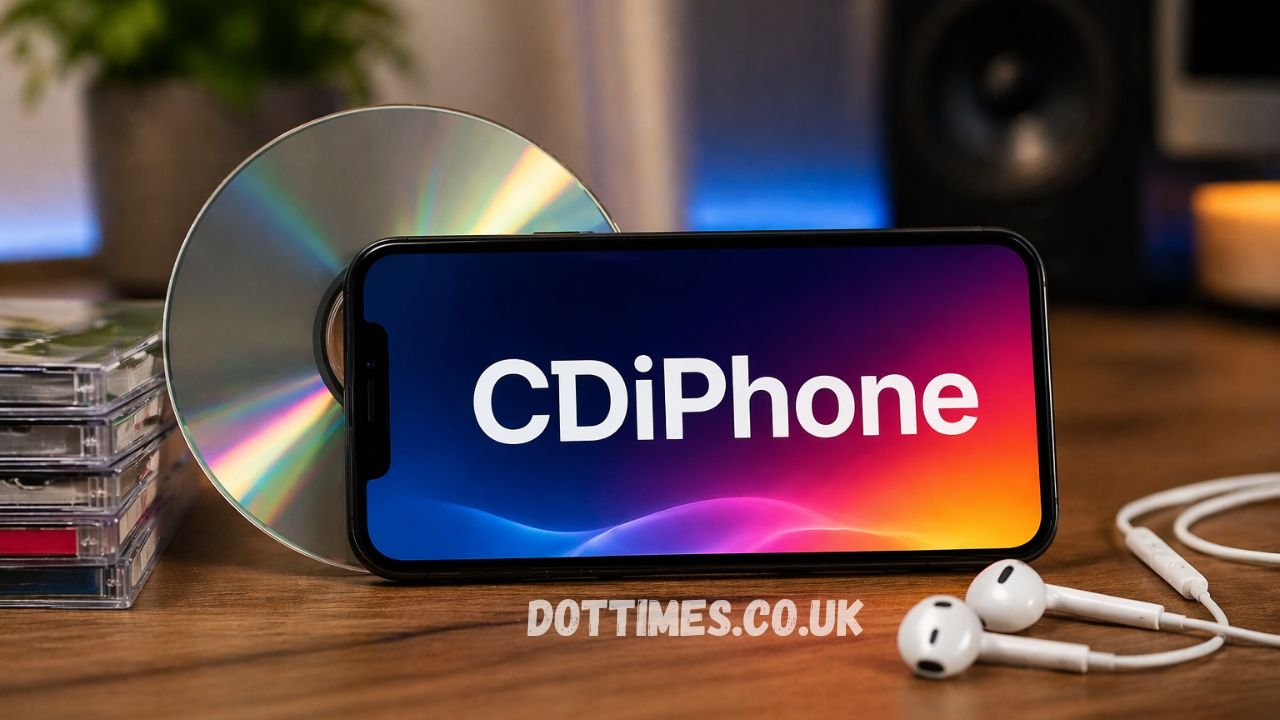
The term cdiphone has been gaining attention online, but many people are still unsure what it actually means. Some think it is a real Apple product, while others see it as a concept tied to music and offline media. This confusion has made cdiphone a strong topic for blog content because it attracts curiosity and search traffic. Understanding the different meanings behind cdiphone can help readers avoid misinformation and make better decisions about their devices and media usage. This article breaks down the concept in a clear and practical way, covering all the major interpretations and uses.
what cdiphone actually means
The word cdiphone does not refer to a single official product, which is where most of the confusion begins. Instead, it is a flexible term used in different contexts depending on who is using it. In most cases, cdiphone is linked to the idea of using CDs with an iPhone or bringing CD-like ownership into the modern smartphone experience. Some people also use cdiphone to describe a concept device that blends offline storage with cloud features. Because of this, the meaning of cdiphone changes slightly across tech blogs, forums, and discussions.
The lack of a clear definition has actually helped the term grow in popularity. People search for cdiphone expecting a product but end up discovering a broader idea. This makes it a strong keyword for informational content because it answers multiple user questions at once. Instead of being a limitation, the ambiguity of cdiphone creates more opportunities to explain and educate. That is why it is important to break down each interpretation clearly.
cdiphone as a way to use cd music on iphone
One of the most practical meanings of cdiphone is related to playing CD music on an iPhone. Since iPhones do not have CD drives, users need to convert their CDs into digital files first. This process involves ripping music from a CD onto a computer and then transferring it to the phone. In this context, cdiphone becomes a method rather than a product.
This approach appeals to people who still own physical music collections. CDs offer better control over music compared to streaming platforms, where access depends on subscriptions. By using the cdiphone method, users can keep their music permanently and listen offline without restrictions. It also allows higher audio quality if files are stored in lossless formats.
Here is how the process usually works:
- Insert the CD into a computer with a disc drive
- Use software to rip the audio into MP3 or ALAC format
- Organize the files with proper titles and album info
- Sync the files to an iPhone using a media app
- Play the music directly without needing internet
This version of cdiphone is practical, widely used, and easy to explain to beginners.
why cdiphone is linked to ownership and control
Another reason cdiphone is trending is because of the growing discussion around digital ownership. Streaming services give access to music, but users do not actually own the files. If a song is removed or a subscription ends, access disappears instantly. This has pushed some people to return to CDs and local storage.
The cdiphone idea fits perfectly into this mindset. It represents a shift back to owning content instead of renting it. People who use cdiphone methods often value privacy, control, and independence from platforms. They prefer having files stored directly on their devices rather than relying on cloud systems.
This shift is not just about music, it reflects a larger change in how people view digital products. Many users are becoming more cautious about subscriptions and long-term costs. The cdiphone concept supports a simpler, more controlled way of using technology.
the concept version of cdiphone in modern tech
Some discussions describe cdiphone as a future device concept rather than a current solution. In this version, cdiphone represents a smartphone that combines offline storage with cloud syncing in a balanced way. The idea is to reduce dependence on constant internet access while still keeping modern features.
This concept has gained attention because of growing concerns about data usage and privacy. A cdiphone-style device would allow users to store important files locally while syncing only when needed. It would also support high-quality media without compression from streaming services. Although this version of cdiphone is not officially developed, it reflects real user demands.
Key features often imagined in this concept include:
- Large offline storage capacity
- Seamless CD-quality audio support
- Limited reliance on subscriptions
- Strong privacy controls
- Optional cloud syncing instead of default dependency
Even though it is theoretical, this version of cdiphone shows where technology could move in the future.
cdiphone as a misunderstanding or myth
A large number of searches for cdiphone come from people who believe it is a real Apple product. This misunderstanding is often caused by misleading articles or unclear explanations online. Some websites present cdiphone as if it is an actual device available for purchase, which adds to the confusion.
In reality, there is no official product named cdiphone released by Apple. The company has not announced any device with built-in CD functionality. Most modern smartphones have moved away from physical media entirely, focusing instead on digital and cloud-based solutions. This makes the idea of a cdiphone device unlikely in its traditional form.
Understanding this helps readers avoid falling for false claims or low-quality content. It also reinforces the importance of checking reliable information before making assumptions. The popularity of cdiphone proves how easily confusion can spread when a term sounds realistic.
how cdiphone connects to digital minimalism
The cdiphone trend is also tied to digital minimalism, a lifestyle that focuses on reducing dependency on technology. People following this approach often try to limit their use of apps, notifications, and constant internet access. They prefer simple systems that give them control over their time and attention.
Using cdiphone methods fits well with this approach. Instead of streaming music endlessly, users can choose specific albums and listen intentionally. This reduces distractions and creates a more focused experience. It also removes the need for constant connectivity, which can be a major benefit.
Some advantages of this approach include:
- Less screen time spent browsing content
- More intentional listening habits
- Reduced reliance on algorithms
- Better privacy and data control
- Lower long-term costs
The connection between cdiphone and digital minimalism adds depth to the topic and makes it relevant beyond just technology.
cdiphone and the return of offline media
There has been a quiet shift back toward offline media in recent years. While streaming still dominates, many users are starting to question its limitations. CDs, vinyl records, and downloaded files are slowly gaining attention again. This trend is not massive, but it is growing steadily.
The cdiphone concept fits directly into this movement. It supports the idea that not everything needs to be streamed or stored in the cloud. Having offline access to media provides reliability, especially in areas with weak internet connections. It also ensures that content remains available regardless of platform changes.
This return to offline media is not about rejecting modern technology. Instead, it is about finding a balance between convenience and control. The cdiphone idea represents that balance in a simple and understandable way.
practical use cases of cdiphone today
Even without a physical cdiphone device, the concept can still be applied in everyday situations. Many users already follow similar practices without realizing it. By combining CDs, digital files, and smartphones, they create a system that works independently of streaming platforms.
Some common use cases include:
- Transferring personal CD collections to an iPhone
- Creating offline playlists for travel or work
- Preserving rare or unavailable music
- Avoiding monthly subscription fees
- Maintaining high-quality audio libraries
These examples show that cdiphone is not just an idea, it is something people are already doing in practical ways.
conclusion
The term cdiphone may sound like a product, but it is actually a mix of ideas, methods, and concepts. It can refer to using CD music on an iPhone, a future device concept, or a broader shift toward offline media and ownership. This flexibility is what makes cdiphone such a strong topic for discussion and content creation. Instead of being a limitation, its unclear definition opens the door to deeper conversations about technology and control.
As more people question streaming services and digital dependence, the relevance of cdiphone continues to grow. It represents a practical and thoughtful approach to using technology without giving up convenience entirely. Whether someone is interested in music, privacy, or digital minimalism, cdiphone offers a perspective worth exploring. Understanding it clearly helps cut through confusion and makes it easier to apply in real life.
faqs
- what is cdiphone in simple terms
cdiphone is not a real product but a term used to describe using CD music on an iPhone or a concept of offline-focused smartphone usage. - is cdiphone an official apple device
no, there is no official device called cdiphone released by Apple. - how can i use cdiphone in real life
you can rip music from CDs, convert it into digital files, and transfer it to your iPhone for offline listening. - why are people searching for cdiphone
people are curious about whether it is a real device and how it connects to music and smartphones. - is cdiphone better than streaming services
it depends on your preference, but cdiphone methods offer more control, offline access, and ownership of music files.