









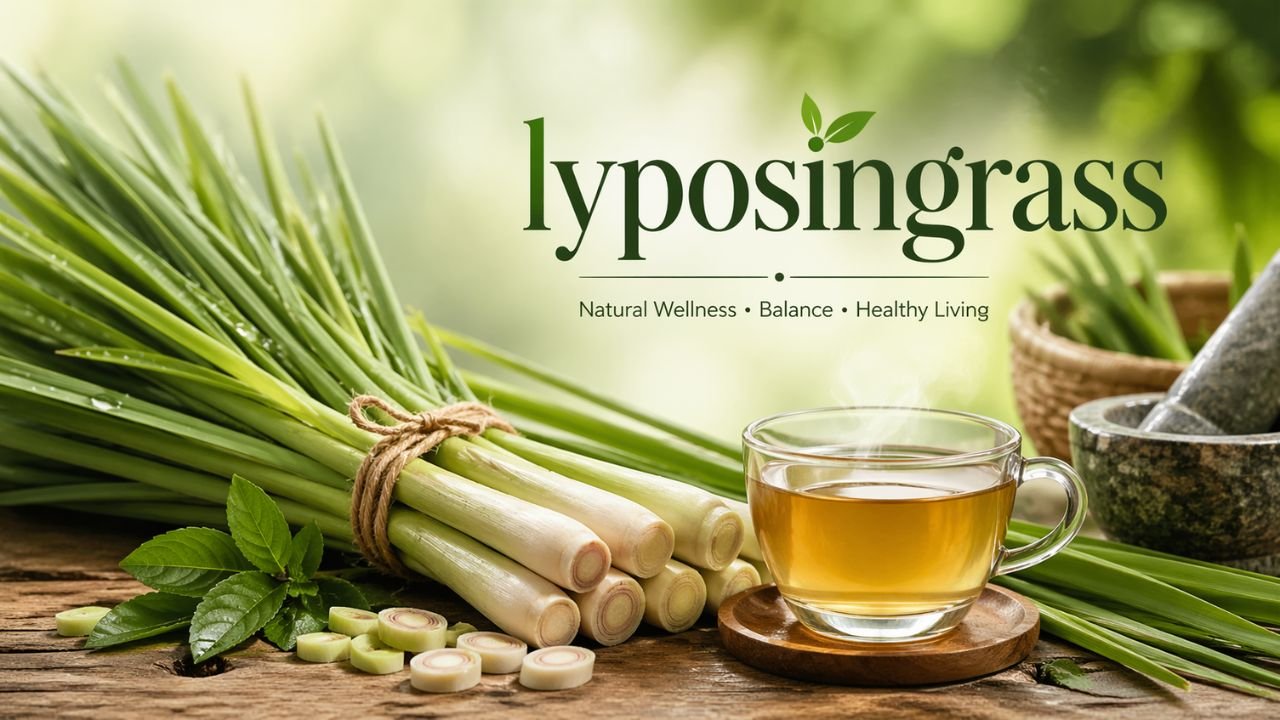
The term lyposingrass has been quietly circulating across blogs, wellness forums, and niche health websites, leaving many people wondering what it actually means. At first glance, it sounds like a new superfood or a breakthrough herbal discovery, but the reality is more layered than that. Some sources describe it as a plant, while others treat it like a health concept or even a marketing label. This confusion makes lyposingrass an interesting topic, especially for readers trying to separate facts from hype. Understanding where the term comes from and how it is used is the first step toward making sense of it.
Understanding the meaning behind lyposingrass
Lyposingrass does not have a clear scientific definition, which is unusual for something often promoted in the health space. In many cases, it appears to be a rebranded or loosely defined term linked to herbal wellness. Some content treats lyposingrass as a plant similar to lemongrass, while others describe it as a broader lifestyle idea connected to balance and gradual health improvement. This lack of clarity is not accidental and often reflects how modern wellness trends evolve online. Instead of being rooted in research, lyposingrass seems to exist at the intersection of marketing and interpretation.
Another layer to its meaning comes from how different websites present it. Some position lyposingrass as a nutrient-rich ingredient, while others frame it as a detox solution or weight management aid. Because there is no standardized definition, the term shifts depending on the context in which it is used. This flexibility makes it appealing for content creators but confusing for readers. When writing about lyposingrass, it is important to acknowledge this ambiguity rather than ignore it.
The connection between lyposingrass and lemongrass
One of the most consistent patterns across sources is the comparison between lyposingrass and lemongrass. Lemongrass is a well-known plant used in cooking, teas, and traditional remedies, which makes it a logical reference point. Many of the claimed benefits of lyposingrass closely match those already associated with lemongrass. This includes digestive support, antioxidant properties, and a refreshing flavor profile.
This connection suggests that lyposingrass may not be entirely new but instead a repackaged idea built on something familiar. Lemongrass contains natural compounds like citral, which contribute to its aroma and potential health effects. When lyposingrass is described as beneficial, it often borrows these same qualities without presenting new evidence. This overlap is worth noting because it helps ground the discussion in something real and verifiable.
Claimed health benefits of lyposingrass
Many articles and product descriptions highlight a range of benefits linked to lyposingrass. While these claims are widely shared, they should be approached with a critical mindset. Most of them are based on general herbal knowledge rather than direct research on lyposingrass itself.
Here are some of the commonly mentioned benefits:
- Supports immune function through antioxidants
- Aids digestion and gut health
- Helps with weight management by promoting fullness
- Provides a mild energy boost without caffeine
- Contributes to detox routines and cleansing diets
Each of these points reflects broader wellness trends rather than confirmed scientific findings. The idea of lyposingrass as a health booster fits neatly into the growing demand for natural solutions. However, without specific studies, these benefits remain more suggestive than proven.
Nutritional profile and what it may contain
When discussing lyposingrass, many sources outline a basic nutritional profile that resembles common green plants. This includes vitamins, minerals, and antioxidant compounds that are typically found in herbs. Vitamin C is often mentioned due to its role in supporting the immune system and overall health. Potassium is another nutrient associated with maintaining proper body function and hydration balance.
The presence of antioxidants is also frequently highlighted in relation to lyposingrass. These compounds help protect the body from oxidative stress, which is linked to aging and certain health conditions. While this sounds promising, it is important to remember that these nutrients are not unique to lyposingrass. Many everyday foods provide similar benefits, often with stronger scientific backing.
How lyposingrass is used in everyday wellness
The way lyposingrass is used varies depending on how it is being marketed or interpreted. Some people treat it as a herbal ingredient, while others incorporate it into broader wellness routines. Its flexibility allows it to fit into multiple formats, which adds to its appeal.
Common ways lyposingrass is used include:
- Herbal teas for relaxation and digestion
- Powdered supplements added to drinks
- Capsules for convenience
- Essential oils for aromatherapy
- Detox beverages as part of short-term plans
Each of these uses reflects a different angle of the wellness industry. The versatility of lyposingrass makes it easy to adapt to current trends, whether focused on detox, energy, or relaxation. At the same time, this variety can make it harder to pin down what it truly represents.
The idea of lyposingrass as a lifestyle concept
Beyond its use as a product, lyposingrass is sometimes described as a philosophy centered on balance and consistency. This interpretation moves away from physical ingredients and focuses on habits and mindset. In this context, lyposingrass represents a slower, more sustainable approach to health. Instead of quick fixes, it emphasizes gradual improvement and long-term routines.
This perspective aligns with a growing shift in wellness culture. People are becoming more aware of the limits of extreme diets and short-term solutions. By framing lyposingrass as a concept rather than a product, some creators tap into this shift. It becomes less about what you consume and more about how you approach your overall lifestyle.
The gap between claims and scientific evidence
One of the most important points to address is the lack of direct scientific research on lyposingrass. While the term appears frequently online, there is little evidence to support it as a distinct or studied ingredient. Most of the claims associated with lyposingrass are either generalized or borrowed from other plants. This creates a gap between what is promised and what is proven.
This does not mean that everything linked to lyposingrass is false, but it does mean that caution is necessary. Readers should be aware that marketing language can sometimes blur the line between fact and assumption. Without clear studies, it is difficult to measure the actual impact of lyposingrass on health. Recognizing this limitation helps build a more honest and balanced understanding.
Why lyposingrass gained attention online
The rise of lyposingrass can be traced back to how digital content spreads and evolves. Unique or unfamiliar terms tend to attract curiosity, which drives clicks and engagement. Once a keyword starts gaining traction, more websites begin using it to capture attention. This creates a cycle where the term becomes more visible, even if its meaning remains unclear.
Lyposingrass fits perfectly into this pattern. It sounds scientific enough to feel credible but vague enough to be flexible. This combination makes it ideal for content marketing, especially in the health niche. As more articles and posts mention lyposingrass, it continues to grow as a trend, regardless of its origins.
Should you consider using lyposingrass
Deciding whether to use lyposingrass depends on how you interpret it. If you see it as a reference to natural herbs like lemongrass, then it may offer some familiar benefits. In that case, it can be part of a balanced approach to wellness. However, if it is presented as a unique or superior solution, it is worth questioning those claims.
It is always better to rely on well-studied ingredients and proven practices when making health decisions. Lyposingrass may still have value as a concept or as part of a routine, but it should not replace established knowledge. Keeping expectations realistic helps avoid disappointment and confusion.
Practical tips for approaching lyposingrass
If you are interested in exploring lyposingrass, a practical approach can make a difference. Instead of focusing on hype, look at how it fits into your daily habits. Treat it as one small part of a larger routine rather than a complete solution.
Here are a few simple tips:
- Focus on whole, natural foods alongside any supplements
- Avoid relying on a single ingredient for major results
- Pay attention to how your body responds
- Stay informed and question exaggerated claims
- Keep your routine balanced and consistent
These steps help create a grounded approach that goes beyond trends. Whether or not lyposingrass becomes part of your routine, the goal should always be sustainable health.
Conclusion
Lyposingrass sits in an unusual space between reality and interpretation. It is not a clearly defined plant or a proven supplement, yet it continues to gain attention across the internet. Much of its appeal comes from its flexibility, allowing it to be presented as a product, a concept, or a trend. While some of its claims mirror the benefits of known herbs like lemongrass, there is little direct evidence to support it as something new. Approaching lyposingrass with a critical but open mindset is the best way to understand its place in modern wellness. Instead of chasing the term itself, it makes more sense to focus on the habits and principles that actually support long-term health.
FAQs
- What is lyposingrass exactly
Lyposingrass is not a clearly defined scientific term. It is often used online to describe a herb-like ingredient, a wellness trend, or a general concept related to balanced health. - Is lyposingrass the same as lemongrass
Lyposingrass is frequently compared to lemongrass, and many of its claimed benefits are similar. However, they are not officially the same, and the term lyposingrass lacks formal classification. - Does lyposingrass help with weight loss
Some sources claim that lyposingrass supports weight management, but there is no strong scientific evidence to confirm this. Its role in weight loss is mostly based on general wellness ideas. - Are there any side effects of lyposingrass
Since lyposingrass is not clearly defined, side effects are not well documented. If it refers to herbal products, effects would depend on the actual ingredients used. - Should I include lyposingrass in my daily routine
It can be considered as part of a broader wellness approach, but it should not replace proven health practices. A balanced diet and consistent habits remain more reliable.