







Tracking technology has quietly become part of everyday life. From navigation apps to fitness bands, systems that monitor movement and behavior are now widely used across industries and households. The term tracqueur has started to appear more often in digital spaces, representing a broad category of tools that collect and analyze data over time. Understanding how a tracqueur works and where it is used can help people make better decisions about safety, efficiency, and privacy.
Understanding the concept of tracqueur
A tracqueur refers to a device or software system designed to track location, activity, or data in real time. It collects information through sensors, GPS signals, or digital interactions and presents it in a usable format. This makes it easier for individuals and businesses to monitor patterns and respond quickly when needed. The growing use of tracqueur systems reflects a shift toward data-driven decision-making in everyday situations.
The word tracqueur is often used in modern contexts to describe advanced tracking tools rather than its traditional linguistic roots. In simple terms, it represents any system that observes, records, and reports movement or behavior. This includes physical devices as well as digital tracking tools used in online environments. As technology improves, the role of tracqueur systems continues to expand across different sectors.
How tracqueur technology works in practice
A tracqueur system operates through a series of connected steps that turn raw data into useful insights. First, it collects data using GPS satellites, motion sensors, or user interactions within software platforms. This data can include location, speed, time, or even health-related metrics depending on the type of tracqueur being used. The accuracy of the system depends on the quality of these inputs.
Once the data is collected, it is transmitted through communication channels such as mobile networks, Wi-Fi, or Bluetooth. This allows the tracqueur to send information to a central system or application in real time. Users can then access this data through mobile apps, dashboards, or web interfaces. This process makes it possible to monitor situations instantly and respond without delay.
Finally, the data is processed and displayed in a meaningful way. Many tracqueur systems include features such as alerts, history logs, and visual maps. These tools help users understand patterns and make informed decisions based on the collected information. The combination of data collection, transmission, and analysis is what makes a tracqueur system effective.
Different types of tracqueur systems used today
The use of tracqueur technology spans several categories, each designed for a specific purpose. These systems vary in complexity, but they all serve the same basic function of tracking and monitoring.
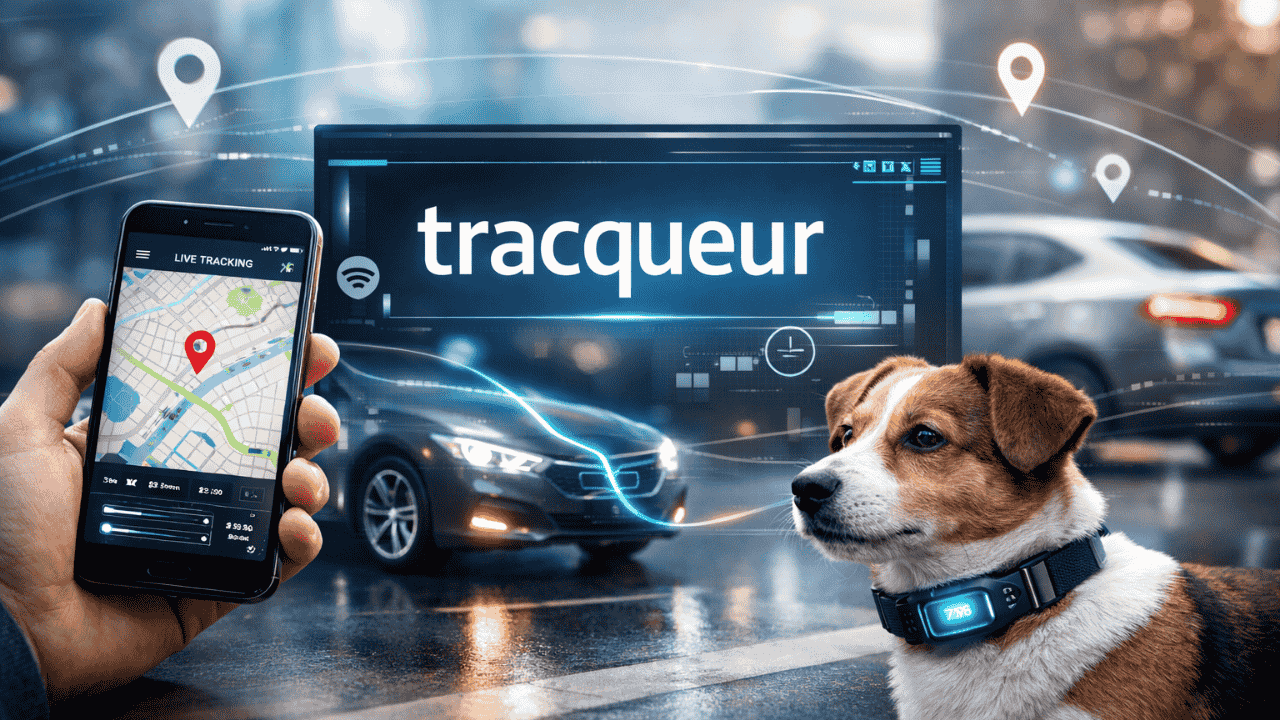
- GPS tracqueur systems used in vehicles for navigation and fleet management
- Personal tracqueur devices designed for child safety or elderly care
- Pet tracqueur tools that help owners locate animals in real time
- Fitness tracqueur devices that monitor steps, heart rate, and sleep patterns
- Digital tracqueur software used to track user behavior on websites
Each type of tracqueur is built to solve a particular problem. For example, a vehicle tracqueur focuses on location and route optimization, while a fitness tracqueur focuses on health metrics. Despite these differences, the underlying technology remains similar. This flexibility is one reason why tracqueur systems are becoming more common.
Real-world applications of tracqueur technology
A tracqueur is not limited to a single industry. It is used in transportation, healthcare, security, and even marketing. In logistics, companies rely on tracqueur systems to monitor deliveries and optimize routes. This helps reduce fuel costs and improve efficiency in operations.
In personal use, a tracqueur can provide peace of mind. Parents use it to track their children’s location, while caregivers use it to monitor elderly family members. Fitness enthusiasts also depend on tracqueur devices to keep track of their physical activity and health progress. These everyday uses highlight how deeply integrated tracking technology has become.
Businesses also benefit from digital tracqueur tools. These systems track user behavior on websites, helping companies understand customer preferences. This data is then used to improve services, design better products, and create targeted marketing strategies. The impact of tracqueur systems in business environments continues to grow.
Key features that make tracqueur systems valuable
Modern tracqueur systems include several features that enhance their usefulness. These features are designed to provide accurate and actionable information in real time.
- Real-time tracking for immediate updates
- Geofencing alerts when a device enters or leaves a defined area
- Historical data storage for reviewing past activity
- Mobile app integration for easy access
- High accuracy through advanced GPS and sensors
These features allow users to rely on a tracqueur for both short-term monitoring and long-term analysis. For example, geofencing can alert a parent when a child leaves a safe zone. At the same time, historical data can help identify patterns over weeks or months. This combination of instant alerts and stored data makes tracqueur systems highly effective.
Benefits of using tracqueur technology
The advantages of using a tracqueur extend beyond simple tracking. These systems offer practical benefits that improve safety, efficiency, and decision-making. One of the most important benefits is increased security. A tracqueur can help locate stolen vehicles, lost pets, or missing individuals quickly.
Another major benefit is improved efficiency in business operations. Companies can use tracqueur data to streamline logistics and reduce unnecessary costs. This leads to better resource management and higher productivity. In personal use, a tracqueur can help individuals stay organized and aware of their surroundings.
Tracqueur systems also support better health monitoring. Fitness devices track daily activity and provide insights that encourage healthier habits. Over time, this data can help users make informed lifestyle changes. The ability to turn data into meaningful action is what makes tracqueur technology so valuable.
Challenges and privacy concerns with tracqueur systems
Despite its advantages, the use of tracqueur technology raises important concerns. Privacy is one of the biggest issues associated with tracking systems. Since a tracqueur collects sensitive data, there is always a risk of misuse or unauthorized access. This makes data security a critical factor.
Another challenge is the reliance on connectivity. A tracqueur may not function properly in areas with poor network coverage. This can limit its effectiveness in certain situations. Battery life is also a concern, especially for portable tracqueur devices that need to operate continuously.
Users must also consider ethical questions when using a tracqueur. Tracking someone without their consent can lead to serious legal and moral issues. As a result, responsible use of tracqueur systems is essential. Understanding these risks helps users make better choices when adopting this technology.
Future trends shaping tracqueur technology
The future of tracqueur systems is closely linked to advancements in artificial intelligence and connected devices. New systems are being developed to not only track data but also predict behavior. This means a tracqueur could soon provide recommendations based on past patterns rather than just reporting information.
Integration with smart devices is another growing trend. Tracqueur systems are becoming part of larger networks that include smart homes and connected cities. This allows for more seamless data sharing and automation. As a result, the role of tracqueur technology is expanding beyond individual use.
There is also a growing focus on improving privacy and security. Developers are working on stronger encryption methods and user controls. This ensures that tracqueur systems remain safe and trustworthy. As these improvements continue, the adoption of tracqueur technology is expected to increase.
Conclusion
The rise of tracqueur technology reflects a broader shift toward data-driven living. These systems have moved from niche tools to everyday essentials used in safety, health, and business. A tracqueur provides real-time insights that help people stay informed and make better decisions. At the same time, it brings challenges that require careful consideration, especially around privacy and ethics.
As technology continues to evolve, the role of tracqueur systems will only grow stronger. Understanding how they work and where they are used gives you an advantage in a world that relies heavily on data. Whether for personal use or business needs, a tracqueur is becoming an important part of modern life.
FAQs
- What is a tracqueur in simple terms?
A tracqueur is a system or device that tracks location, movement, or behavior and provides real-time data for monitoring and analysis. - Where is tracqueur technology commonly used?
It is used in vehicles, personal safety devices, fitness trackers, pet tracking systems, and digital marketing tools. - Is using a tracqueur safe?
It is generally safe, but users must ensure proper data security and avoid misuse that could violate privacy. - How does a tracqueur collect data?
It collects data through GPS, sensors, and digital interactions, then transmits it to apps or systems for processing. - What are the main benefits of a tracqueur?
The main benefits include improved safety, better efficiency, real-time monitoring, and data-driven decision-making.