









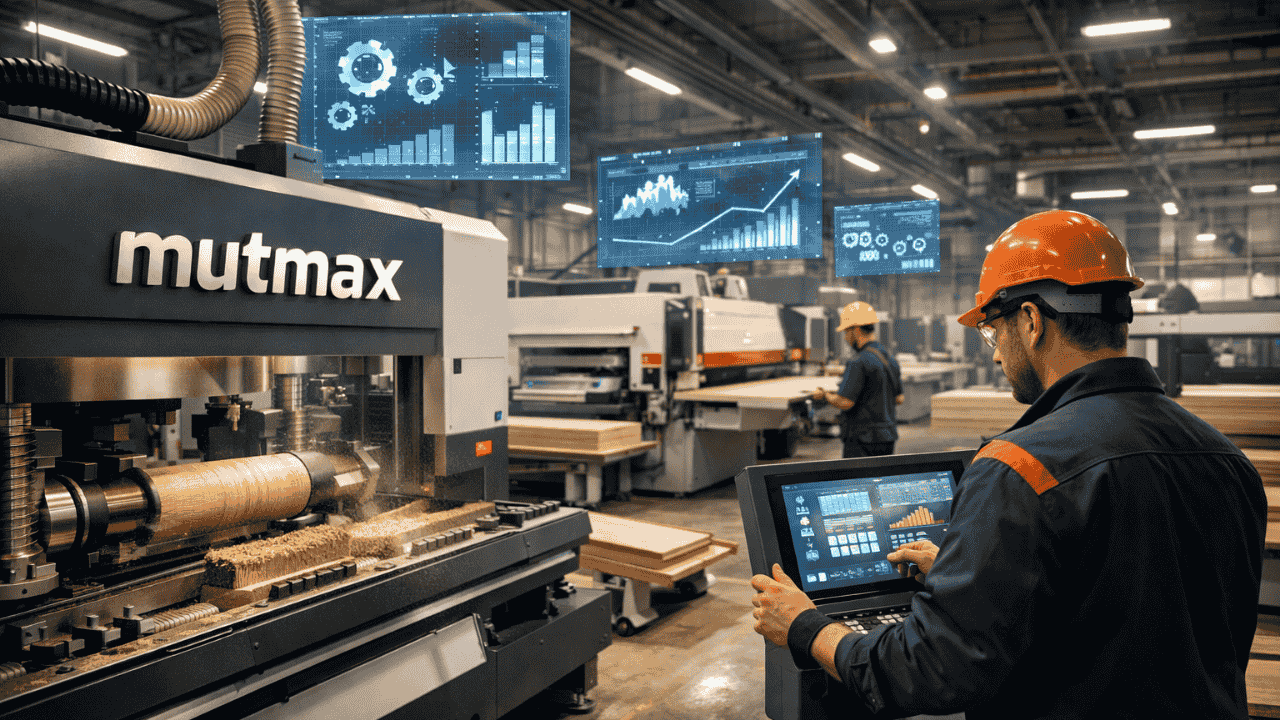
The term mutmax has started appearing across different industries, often leaving people unsure about what it actually refers to. Some associate it with industrial machinery, while others see it connected to modern manufacturing systems or even technical concepts. This confusion creates an opportunity to explain the topic clearly and in depth. Understanding mutmax requires looking at its practical applications rather than treating it as a single fixed definition. Once you break it down, the meaning becomes much easier to grasp and use in real-world context.
Understanding the Core Meaning of Mutmax
At its core, mutmax is most commonly recognized as a name linked to industrial machinery and manufacturing solutions. It is strongly associated with equipment used in woodworking and furniture production. Over time, the term mutmax has expanded beyond just machinery and is now sometimes used in discussions about efficiency systems in factories. This dual usage makes it both a brand identity and a broader concept depending on context. For anyone writing or researching, choosing the right angle is essential to avoid confusion.
The growing interest in mutmax is largely driven by industrial demand for better performance and automation. Manufacturers are constantly looking for ways to improve output while reducing waste. This is where mutmax becomes relevant as it represents tools and systems that support that goal. Instead of being just a name, it reflects a shift toward smarter production methods. That shift is what makes it worth covering in detail.
Mutmax in Industrial Machinery and Manufacturing
One of the most practical uses of mutmax is in the field of woodworking and furniture production machinery. Factories rely on precision tools to maintain quality, and mutmax machines are designed to handle that requirement. These machines are built for durability and consistent performance, which is critical in high-volume production environments. As demand for furniture and wood-based products grows, the role of such machinery becomes even more important.
In industrial settings, mutmax equipment is often used to streamline repetitive processes. Instead of relying heavily on manual labor, factories can automate key steps using advanced machines. This not only saves time but also improves accuracy across production lines. The consistency offered by mutmax solutions reduces errors and material waste. Over time, this leads to significant cost savings for manufacturers.
Common types of machinery associated with mutmax include:
- CNC wood lathes for detailed shaping
- Sanding machines for smooth finishes
- Panel saws for precise cutting
- Copy lathes for duplicating designs
Each of these tools plays a specific role in furniture manufacturing, and together they form a complete production system. The ability to integrate these machines efficiently is one of the reasons mutmax continues to gain attention.
Mutmax as a Modern Manufacturing Concept
Beyond physical machines, mutmax is also being used to describe a more modern approach to manufacturing. This includes systems that analyze production data and help businesses make better decisions. In this context, mutmax represents a move toward data-driven operations rather than manual guesswork. Factories using such systems can monitor performance in real time and adjust processes as needed.
This approach fits into the larger trend of smart manufacturing. Instead of operating blindly, companies can track efficiency, downtime, and output quality. Mutmax systems help identify weak points in production and suggest improvements. This leads to better planning and fewer unexpected disruptions. As industries move toward automation, this aspect of mutmax becomes even more valuable.
Key benefits of using mutmax in this way include:
- Improved production efficiency
- Reduced machine downtime
- Better resource management
- Faster decision-making based on real data
These advantages show why mutmax is not just limited to machinery but is also part of a broader operational strategy.
Why Mutmax Is Gaining Attention in 2026
The rise of mutmax is closely tied to changes in global manufacturing trends. Businesses are under pressure to produce more while keeping costs under control. Traditional methods are no longer enough to meet these demands. This is where mutmax stands out as a practical solution that combines machinery with smarter systems.
Another reason for its popularity is scalability. Small and medium-sized manufacturers can adopt mutmax solutions without completely overhauling their operations. This flexibility makes it accessible to a wider range of businesses. As more companies look for efficient production models, the demand for mutmax continues to grow. It is not just about keeping up with competitors but about staying ahead in a competitive market.
The shift toward automation and digital tracking also plays a role. Industries are moving away from manual processes and toward integrated systems. Mutmax fits naturally into this transition by offering both physical tools and conceptual frameworks. This combination makes it relevant across different levels of manufacturing.
Mutmax and Its Role in Smart Factories
Smart factories rely on connected systems that communicate and adapt in real time. Mutmax contributes to this environment by supporting both machinery and data integration. Instead of isolated machines, production units become part of a connected network. This allows manufacturers to monitor operations from a central system and respond quickly to changes.
In a smart factory setup, mutmax helps improve coordination between different stages of production. For example, cutting, shaping, and finishing processes can be aligned for maximum efficiency. This reduces delays and ensures a smoother workflow. Over time, these improvements lead to higher productivity and better product quality.
Some ways mutmax supports smart factories include:
- Real-time monitoring of machine performance
- Automated adjustments to production settings
- Data collection for long-term analysis
- Integration with existing factory systems
These features highlight how mutmax is evolving alongside modern industrial needs. It is no longer just about machines but about creating a connected production environment.
Common Confusion Between Mutmax and Similar Terms
One challenge with mutmax is that it is sometimes confused with similar-sounding terms, especially in technical fields. For example, some people mistake it for programming-related concepts. This confusion can lead to misunderstandings if the context is not clearly defined. It is important to separate industrial usage from unrelated technical meanings.
In most cases, mutmax should be understood within the context of manufacturing and production systems. Trying to apply it outside this space often leads to incorrect interpretations. For writers and content creators, clarity is key when explaining the term. Defining the context early in the article helps avoid confusion later on. This also improves readability and keeps the content focused.
Choosing the Right Angle for Writing About Mutmax
If you are planning to write about mutmax, the first step is choosing a clear angle. Covering everything at once can make the article feel scattered. Instead, focus on a specific aspect such as machinery, smart manufacturing, or business impact. This allows you to provide deeper insights rather than surface-level information.
A well-structured article on mutmax should include:
- A clear definition of the term
- Real-world applications
- Practical benefits for industries
- Future trends and relevance
By sticking to a focused structure, you can create content that is both informative and easy to read. This approach also improves SEO performance by keeping the topic consistent.
The Future of Mutmax in Industrial Growth
Looking ahead, mutmax is likely to play an even bigger role in manufacturing. As industries adopt more advanced technologies, the need for integrated systems will increase. Mutmax fits into this future by offering solutions that combine efficiency with adaptability. Companies that invest in such systems are better positioned to handle changing market demands.
The continued growth of automation and data-driven decision-making will also support the expansion of mutmax. It is not just a trend but part of a larger shift in how industries operate. Businesses that ignore these changes risk falling behind. On the other hand, those that embrace mutmax can gain a competitive edge.
Conclusion
Mutmax is more than just a single term with a fixed meaning. It represents a combination of industrial machinery and modern manufacturing practices that aim to improve efficiency and productivity. From woodworking equipment to smart factory systems, mutmax continues to evolve with industry needs. Its growing relevance highlights the importance of adapting to new production methods. Understanding mutmax in the right context allows businesses and writers to use it effectively. As manufacturing continues to change, mutmax is set to remain an important part of that transformation.
FAQs
- What does mutmax mean in simple terms?
Mutmax generally refers to industrial machinery and systems used to improve manufacturing efficiency, especially in woodworking and production environments. - Is mutmax a company or a concept?
Mutmax can refer to both a machinery brand and a broader concept related to smart manufacturing and operational efficiency. - Where is mutmax commonly used?
Mutmax is mainly used in industries like furniture manufacturing, woodworking, and modern factory systems. - Why is mutmax becoming popular?
Mutmax is gaining attention because it helps businesses increase productivity, reduce waste, and adopt smarter production methods. - Can small businesses use mutmax solutions?
Yes, mutmax solutions are flexible and can be adapted by small and medium-sized manufacturers without major changes to their operations.