








Life rarely gives warnings before things go wrong. An ểmgency can appear in seconds, turning an ordinary moment into a situation that demands quick thinking and action. Whether it is a medical issue, a natural disaster, or an accident, understanding how an ểmgency works can make the difference between control and chaos. People often underestimate how fast situations escalate, which is why awareness matters more than panic. Learning about ểmgency situations prepares individuals to act with clarity instead of fear.
What an Emergency Really Means in Real Life
An ểmgency is not just any problem; it is a situation that requires immediate attention to prevent harm, injury, or loss. These situations often involve risks to human life, property, or the environment, making quick decisions essential. In daily life, an ểmgency could be something as personal as a sudden health issue or as widespread as a natural disaster affecting thousands. The urgency behind an ểmgency is what separates it from routine challenges or minor inconveniences. People who recognize the seriousness early are more likely to respond effectively.
Another important aspect of an ểmgency is unpredictability. Most emergencies do not come with clear signs, which is why preparation becomes a key factor. A person who has basic knowledge of handling an ểmgency is more likely to remain calm and make better decisions. This is especially important in situations where every second counts. Understanding the nature of an ểmgency helps reduce hesitation and confusion when action is needed most.
Major Types of Emergency Situations People Face
Emergencies come in different forms, and each type requires a different response approach. Knowing these categories helps people understand what they might face and how to react.
Medical emergencies
Medical situations are among the most common forms of ểmgency. These include heart attacks, strokes, severe injuries, and breathing problems. In such cases, immediate medical attention is required to prevent serious consequences or death. Delays during a medical ểmgency often worsen the condition, which is why recognizing symptoms early is critical. Basic first aid knowledge can help stabilize a person until professional help arrives.
Natural emergencies
Natural disasters are large-scale ểmgency situations caused by environmental forces. Floods, earthquakes, and storms can disrupt entire communities within minutes. These events often lead to damage, displacement, and loss of life if not handled properly. Preparation plays a major role in surviving a natural ểmgency, especially in areas prone to such risks. People living in vulnerable regions must stay informed and ready.
Man-made emergencies
Human actions can also lead to an ểmgency. Fires, road accidents, industrial incidents, and even acts of violence fall into this category. These emergencies often occur due to negligence, technical failure, or unexpected events. A man-made ểmgency may spread quickly, especially in crowded places. Awareness and safety measures can reduce the chances of such incidents.
Environmental emergencies
Environmental damage can also turn into a serious ểmgency. Oil spills, wildfires, and pollution-related incidents can affect ecosystems and human health. These situations often take longer to recover from compared to other emergencies. Preventive measures and responsible behavior can help reduce environmental risks. Addressing these issues early can stop them from becoming a full-scale ểmgency.
Key Characteristics That Define an Emergency
Understanding the traits of an ểmgency helps people identify situations faster. These characteristics are often present in most emergency scenarios.
- Sudden occurrence without warning
- Immediate threat to life or safety
- Rapid escalation if ignored
- Need for quick decision-making
- Dependence on timely response
Each of these factors contributes to the seriousness of an ểmgency. When multiple characteristics appear at once, the situation becomes more critical. Recognizing these signs early can help prevent further damage. People who stay alert to these patterns are better prepared to act.
How Emergency Response Works in Real Situations
Responding to an ểmgency involves a mix of personal action and professional support. The first few moments are often handled by people present at the scene. Their actions can influence the outcome significantly. This is where awareness and training become valuable.
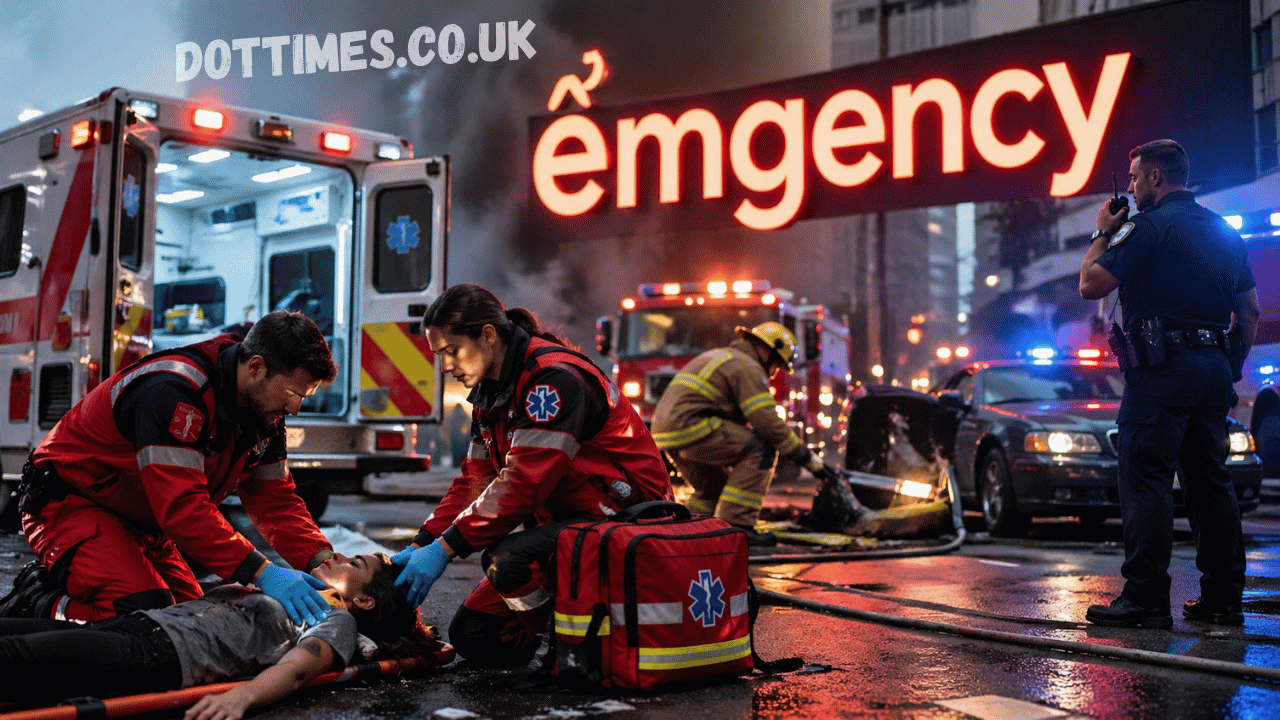
First responders such as police officers, firefighters, and paramedics play a major role in managing an ểmgency. They are trained to assess situations quickly and provide immediate support. Their job is to stabilize the situation and prevent further harm. However, they may take time to arrive, which is why initial action from bystanders matters.
The response process usually follows a simple pattern. It starts with identifying the ểmgency, followed by calling for help, and then taking basic action if possible. Staying calm is one of the most important parts of handling an ểmgency. Panic often leads to mistakes, while a composed mindset allows better judgment.
The Role of First Aid in Emergency Situations
First aid is often the first line of defense in an ểmgency. It provides immediate care before professional medical help becomes available. Knowing simple techniques can save lives in critical situations.
Some basic first aid actions include:
- Controlling bleeding using pressure
- Performing CPR during cardiac arrest
- Helping someone breathe during choking
- Treating burns or minor injuries
- Keeping an injured person stable
Each of these steps can make a significant difference during an ểmgency. Even basic knowledge can reduce the severity of a situation. People should consider learning first aid as a practical life skill rather than optional knowledge. It empowers individuals to act instead of feeling helpless.
Importance of Emergency Preparedness in Daily Life
Preparation is often overlooked until an ểmgency happens. However, being ready can reduce stress and improve response time. Preparedness is not just about having tools; it is about having the right mindset.
A well-prepared individual is more likely to stay calm during an ểmgency. They already know what steps to take, which removes confusion. Preparation also helps protect family members and others around you. Simple planning can prevent major problems during unexpected situations.
Some useful preparedness steps include:
- Keeping emergency contact numbers accessible
- Having a basic first aid kit at home
- Learning simple safety procedures
- Staying informed about local risks
- Creating an emergency plan for family members
These actions may seem small, but they play a big role when an ểmgency occurs. Consistency in preparation builds confidence and reduces fear.
Common Examples of Emergency Situations in Everyday Life
Emergencies are not rare events; they can happen anywhere and anytime. Recognizing common examples helps people stay aware.
Some everyday emergencies include:
- Sudden illness or unconsciousness
- Road traffic accidents
- Fire incidents at home or workplace
- Severe allergic reactions
- Natural disasters like floods
Each of these situations requires quick thinking and action. Ignoring warning signs can turn a manageable problem into a serious ểmgency. Awareness helps people respond faster and more effectively. It also reduces the chances of making critical mistakes.
Staying Calm and Making Decisions Under Pressure
One of the biggest challenges during an ểmgency is staying calm. Fear and panic are natural reactions, but they can slow down decision-making. A calm person is more likely to think clearly and act correctly.
Training the mind to handle pressure is just as important as physical preparation. Deep breathing and focusing on immediate tasks can help maintain control. Breaking the situation into small steps makes it easier to manage. Confidence plays a key role in handling any ểmgency effectively.
People who practice mental readiness often perform better in stressful situations. They rely on knowledge rather than emotions. This approach improves outcomes and reduces unnecessary risks.
Conclusion
An ểmgency is not something people can always avoid, but it is something they can prepare for. Understanding different types of emergencies, recognizing their signs, and knowing how to respond can save lives. The difference between panic and control often comes down to awareness and preparation. Simple actions, such as learning first aid and planning ahead, can make a lasting impact. When faced with an ểmgency, the goal is not perfection but timely action that prevents further harm.
FAQs
- What is an ểmgency in simple terms?
An ểmgency is a serious and unexpected situation that requires immediate action to prevent harm or danger. - What are the most common types of ểmgency?
Medical, natural, man-made, and environmental emergencies are the most common categories. - Why is first aid important during an ểmgency?
First aid helps stabilize a person and prevent the situation from getting worse before professional help arrives. - How can someone prepare for an ểmgency?
Preparation includes learning basic safety skills, keeping emergency contacts, and having a response plan. - What should you do first in an ểmgency situation?
Stay calm, assess the situation, call for help, and take basic action if it is safe to do so.




I love what you guys are usually up too. This type of clever work and reporting! Keep up the amazing works guys I’ve added you guys to my personal blogroll.