








The word levapioli has been appearing more frequently across food blogs, lifestyle platforms, and niche brand discussions, yet many people still aren’t sure what it actually refers to. That confusion creates an opportunity. Instead of treating levapioli as a single fixed idea, it makes more sense to explore how the term operates across different contexts. In some places, it refers to a traditional grilled dish rooted in Balkan cuisine, while in others it shows up as a modern brand concept or creative identity. Understanding these layers helps you create content that is both informative and search-friendly.
understanding what levapioli actually means
Levapioli does not belong to one clear definition, which is exactly why it has gained attention. The most grounded and widely accepted meaning connects levapioli to a grilled meat dish similar to cevapi or kofta. At the same time, the term has been adapted by digital creators and branding spaces to represent innovation, design, and hybrid identity. This dual nature makes levapioli more than just a keyword; it becomes a concept that shifts depending on context.
When writing about levapioli, clarity matters. Readers searching for the term are often trying to figure out whether it’s food, a brand, or something else entirely. A strong article acknowledges this confusion early and then organizes the information into clear sections. That approach not only improves readability but also builds trust with the audience.
levapioli as a traditional grilled dish
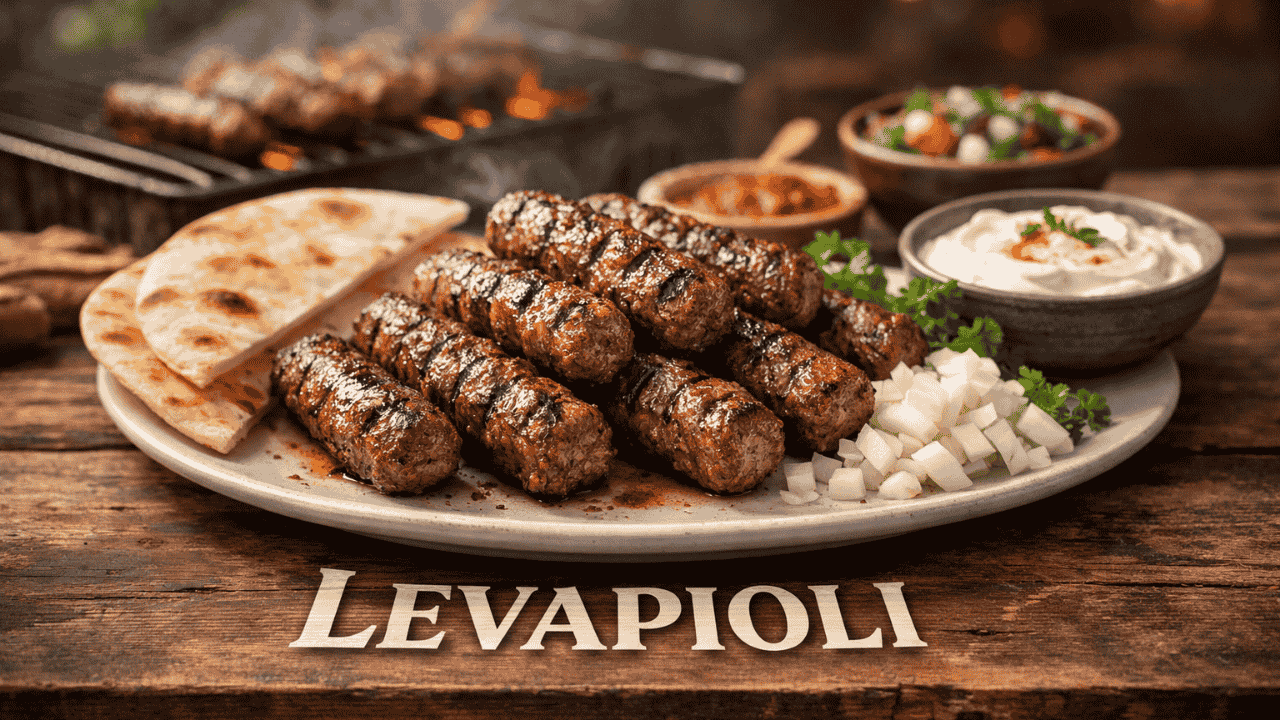
The strongest and most consistent meaning of levapioli comes from food culture. It is commonly described as a grilled meat preparation made from minced meat shaped into small sausage-like portions. The dish is deeply connected to Balkan culinary traditions and is often associated with gatherings, outdoor cooking, and shared meals. Levapioli stands out because of its simplicity and bold flavor profile.
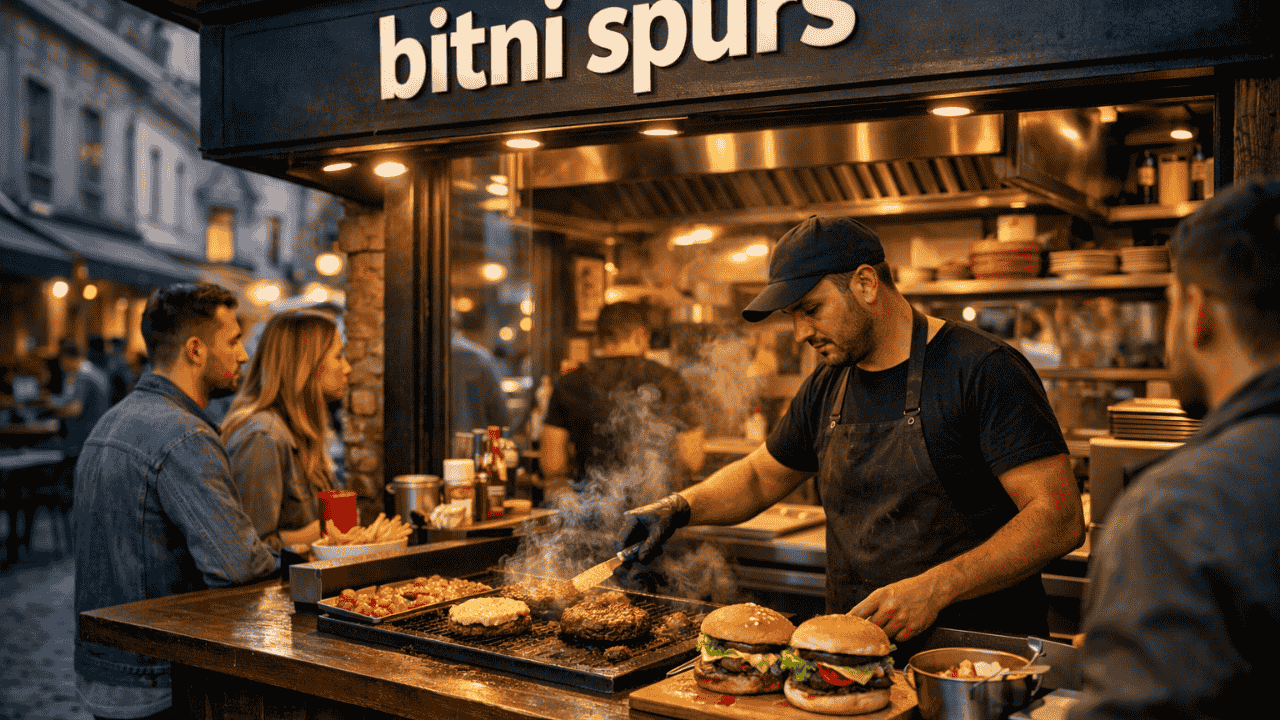
The preparation process is straightforward but requires attention to detail. The meat mixture is usually seasoned carefully and then grilled over an open flame to create a smoky taste. This method gives levapioli its signature texture, slightly crisp on the outside and juicy on the inside. It is typically served fresh off the grill, making timing an important part of the experience.
key ingredients used in levapioli
The flavor of levapioli depends heavily on its ingredients and how they are combined. While variations exist, the core components remain fairly consistent across regions. The balance between spices and meat defines the final taste.
Common ingredients include:
- minced beef or lamb, sometimes mixed for richness
- finely chopped garlic and onions
- paprika and black pepper for depth
- salt and herbs for seasoning
- optional additions like parsley or chili flakes
These ingredients are mixed thoroughly to ensure even flavor distribution. The mixture is then shaped into small portions before being grilled. This simple ingredient list is part of what makes levapioli accessible and easy to recreate at home.
how levapioli is traditionally served
Levapioli is not just about the meat itself but also about how it is presented and eaten. The serving style reflects its cultural roots and adds to the overall experience. It is often paired with simple sides that complement rather than overpower the main dish.
Typical serving elements include:
- flatbread or pita for wrapping
- yogurt-based sauces or dips
- fresh onions or chopped salad
- roasted vegetables or light sides
The combination creates a balanced meal that feels both hearty and fresh. Levapioli is usually eaten in a casual setting, often shared among family or friends. This communal aspect is a key part of its identity.
cultural significance behind levapioli
Levapioli carries more meaning than just being a meal. In many cultures, dishes like this represent hospitality and connection. Preparing levapioli for guests is seen as a gesture of warmth and generosity. The act of grilling and sharing food becomes a social ritual rather than just a cooking process.
This cultural layer is important when writing about levapioli because it adds depth. Readers are not just learning about a recipe; they are getting a glimpse into a way of life. Food becomes a bridge between tradition and modern experience. That emotional connection is what makes content more engaging and memorable.
modern variations and evolving trends
As global food culture continues to blend, levapioli has started to evolve beyond its traditional roots. Chefs and home cooks are experimenting with new ingredients and techniques while keeping the core idea intact. This evolution helps levapioli stay relevant in modern kitchens.
Some popular variations include:
- using chicken or turkey instead of red meat
- adding fusion spices for a different flavor profile
- creating plant-based versions using legumes or meat alternatives
- serving levapioli in wraps, bowls, or modern plated dishes
These adaptations show how flexible levapioli can be. Instead of being limited to one style, it adapts to changing tastes and dietary preferences.
levapioli as a modern brand or concept
Beyond food, levapioli has started appearing in branding and digital spaces. In this context, it is used as a name that suggests creativity, uniqueness, and a blend of tradition with innovation. This shift is not unusual, as many modern brands borrow from cultural or linguistic elements to create identity.
In branding, levapioli often represents:
- a balance between heritage and modern design
- minimalism combined with strong identity
- adaptability in digital environments
- a sense of originality and distinction
This usage is less common than the food meaning but still relevant. It opens the door for different types of content that move beyond recipes and into cultural analysis or branding discussions.
why levapioli works as an seo keyword
From an SEO perspective, levapioli is a valuable keyword because it is still relatively underused but has growing interest. It allows content creators to target multiple angles without facing heavy competition. This makes it easier to rank while still providing meaningful information.
Reasons why levapioli performs well as a keyword:
- low competition compared to common food terms
- multiple meanings that support diverse content
- curiosity-driven searches from users
- potential for both informational and niche content
Using levapioli naturally throughout an article helps search engines understand the topic without making the content feel forced. The key is to integrate it smoothly into headings and paragraphs.
structuring content around levapioli for better readability
A well-structured article makes a big difference in how readers engage with the content. Levapioli as a topic benefits from clear organization because of its layered meaning. Breaking the article into sections helps guide the reader through each aspect without confusion.
A strong structure usually includes:
- an introduction that explains the keyword
- a section on the primary meaning, such as food
- supporting sections on ingredients and preparation
- cultural and modern context
- a closing section that ties everything together
This structure keeps the article focused while still covering all relevant points. It also improves the chances of ranking well in search results.
common misconceptions about levapioli
Because levapioli is not widely standardized, there are a few misunderstandings around it. Some people assume it is a completely new invention, while others think it refers to a single specific recipe. In reality, it sits somewhere in between tradition and interpretation.
One misconception is that levapioli must follow a strict recipe. In truth, variations are common and accepted. Another misunderstanding is that levapioli only exists as food, ignoring its emerging role in branding and creative spaces. Clearing up these points helps readers get a more accurate picture.
conclusion
Levapioli is a term that carries more depth than it first appears to have. At its core, it represents a flavorful grilled dish rooted in Balkan tradition, known for its simplicity and strong taste. At the same time, levapioli has expanded into modern contexts, appearing in branding and creative discussions as a symbol of innovation and identity. This combination of tradition and evolution makes it a compelling topic for content creation.
Writing about levapioli allows you to explore food, culture, and modern trends in a single piece. By focusing on clarity, structure, and natural keyword usage, you can create an article that feels informative without being forced. As interest in unique and multi-meaning keywords continues to grow, levapioli stands out as a strong subject with both depth and flexibility.
faqs
- what is levapioli mainly known for
Levapioli is mainly known as a grilled meat dish similar to cevapi, made from minced meat and spices and cooked over an open flame. - is levapioli the same as cevapi
Levapioli is very similar to cevapi in preparation and ingredients, but the term is less standardized and may include slight variations. - can levapioli be made at home
Yes, levapioli can be easily made at home using minced meat, basic spices, and a grill or stovetop pan. - does levapioli have meanings outside of food
Yes, levapioli is also used in branding and digital contexts to represent creativity and modern identity. - why is levapioli becoming popular online
Levapioli is gaining attention because it is a unique keyword with multiple meanings, making it useful for both food content and niche branding discussions.